
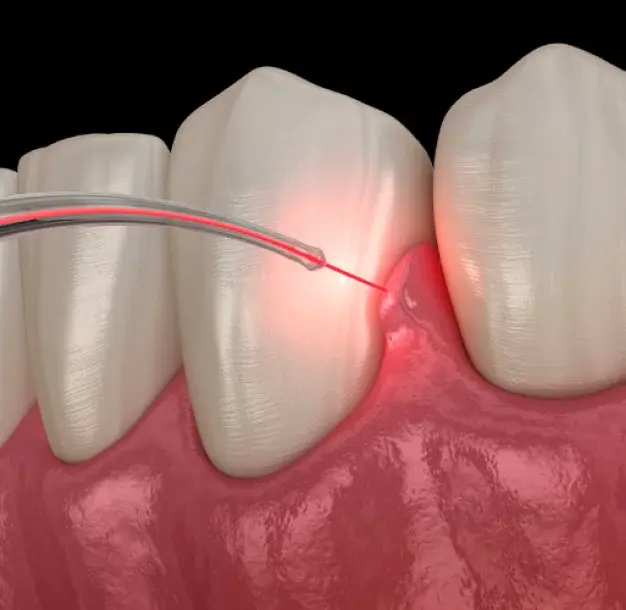
Target Gum Bacteria with Laser Technology
Gum disease starts with bacteria, and those bacteria do not stay on the surface. They settle into the small spaces between the teeth and gums, known as gum pockets, where a toothbrush, floss, and even a standard cleaning have a hard time reaching. As the pockets deepen, the bacteria multiply, and the gums stay inflamed.
Laser bacterial reduction, often shortened to LBR, adds a precise extra step to gum care. A dental laser delivers a focused beam of light into the gum pocket to help reduce bacteria in the treated area, supporting the healing that follows a deep cleaning. At LifeSmiles Dentistry in Gladwin, Michigan, we use laser technology as part of a thoughtful treatment plan, and we always explain why we recommend it and what you can expect.
How Laser Bacterial Reduction Supports Gum Health
Laser bacterial reduction offers an additional approach to managing oral bacteria as part of a broader preventive or periodontal care plan. Depending on individual needs, potential benefits may include:
- Directs laser energy toward selected areas where bacteria may accumulate.
- Can complement professional cleanings and other recommended gum treatments.
- Allows specific areas around the teeth and gums to receive attention.
- May help create more favorable conditions for maintaining healthier gums when combined with appropriate periodontal care.
- Allows the dental team to address individual concerns based on an examination of the gums.
- Works alongside daily oral hygiene and regular dental visits to help manage bacterial buildup.
Who May Benefit from Laser Bacterial Reduction?
Laser bacterial reduction may benefit patients who need additional support managing bacteria around the gums. Those experiencing redness, tenderness, or bleeding, living with gingivitis, or receiving ongoing periodontal maintenance may benefit from an evaluation. It may also be considered alongside professional cleanings or other gum treatments when clinically appropriate.
However, these symptoms do not automatically mean laser treatment is necessary. An examination helps identify the cause of gum concerns and determine whether laser bacterial reduction suits your oral health needs.
What to Expect During Laser Bacterial Reduction
Understanding each stage of laser bacterial reduction can make the treatment feel more familiar. At LifeSmiles Dentistry, the process begins with an assessment of your oral health so the recommended care addresses your specific needs.
Evaluate Your Gum Health
The dental team examines the gums for signs of inflammation, bleeding, plaque accumulation, and periodontal changes. Gum pocket measurements and dental X-rays may be recommended when needed to assess the supporting structures around the teeth.
Discuss Your Treatment Options
After evaluating your gums, the team explains the findings and discusses whether laser bacterial reduction may be helpful. If plaque, tartar, or periodontal disease is present, professional cleaning or other periodontal treatment may also be necessary.
Prepare the Treatment Area
The areas selected for treatment are identified, and the procedure is explained before beginning. The team reviews what to expect and addresses questions about comfort, the laser equipment, and any instructions relevant to your appointment.
Apply Focused Laser Energy
A dental laser is directed toward the selected areas around the teeth and gumline to help reduce bacteria. The approach is tailored to the treatment area and the clinical plan. Laser bacterial reduction may be performed alongside other recommended dental procedures rather than as a standalone solution for gum disease.
Review Aftercare and Maintenance
Following treatment, the team provides guidance on oral hygiene and any additional care needed. Regular dental visits help monitor gum health, while brushing, cleaning between the teeth, and following recommended periodontal maintenance can help control plaque and bacterial buildup over time.
Caring for Your Gums After Laser Treatment
After laser bacterial reduction, follow the care instructions provided by the dental team to support gum health and maintain good oral hygiene. Brush gently, clean between your teeth as directed, and choose tasty foods if your gums feel tender. Avoid smoking and tobacco products, as they can interfere with gum health and healing. Contact the dental office if you experience persistent discomfort, increasing swelling, or other unusual symptoms.
Attend recommended follow-up visits to monitor your gums and discuss any concerns. Laser bacterial reduction does not replace routine cleanings or periodontal maintenance. Consistent dental care, daily plaque control, and healthy oral hygiene habits remain important for managing gum disease and supporting long-term oral health.
Give Your Gums the Extra Support They Need
Healthy gums are worth protecting, and you do not have to figure out the next step alone. At LifeSmiles Dentistry, our team is here to help you understand your gum health and offer treatment that is precise, comfortable, and focused on long-term results. If your gums bleed, feel swollen, or have been diagnosed with gum disease, laser bacterial reduction may be a helpful addition to your care. Call us at 989-426-4597 to schedule your visit.
Frequently Asked Questions
About Laser Bacterial Reduction
Laser bacterial reduction is a dental procedure in which a laser is used to reduce harmful bacteria inside gum pockets. It is commonly used alongside scaling and root planing to support healing in patients with gum disease.
Most patients find it comfortable. The laser is thin and precise, and numbing options are available when needed. Mild tenderness afterward is normal and usually fades within a few days.
The laser portion of the treatment is usually brief. The total appointment length depends on whether it is combined with a deep cleaning and how many areas of the mouth need care.
No. Scaling and root planing remove plaque and tartar from the teeth and roots. Laser bacterial reduction is added to reduce bacteria in the gum pockets, so the two treatments work together.
The best way to find out is through a gum exam. Signs that may point to a need include bleeding gums, swelling, persistent bad breath, and deep pockets found during measurement. We can explain what we find and whether laser therapy is a good fit.
There is usually no downtime. Most patients return to normal activities right away, though softer foods and gentle brushing can be more comfortable for the first day or two.
When performed by trained professionals using proper protective measures, dental laser treatment is considered safe. We review your health history first and provide protective eyewear during the procedure.
Coverage varies by plan, and some plans treat it as an add-on to gum disease treatment. Our team can review your benefits and explain what to expect before treatment begins.