
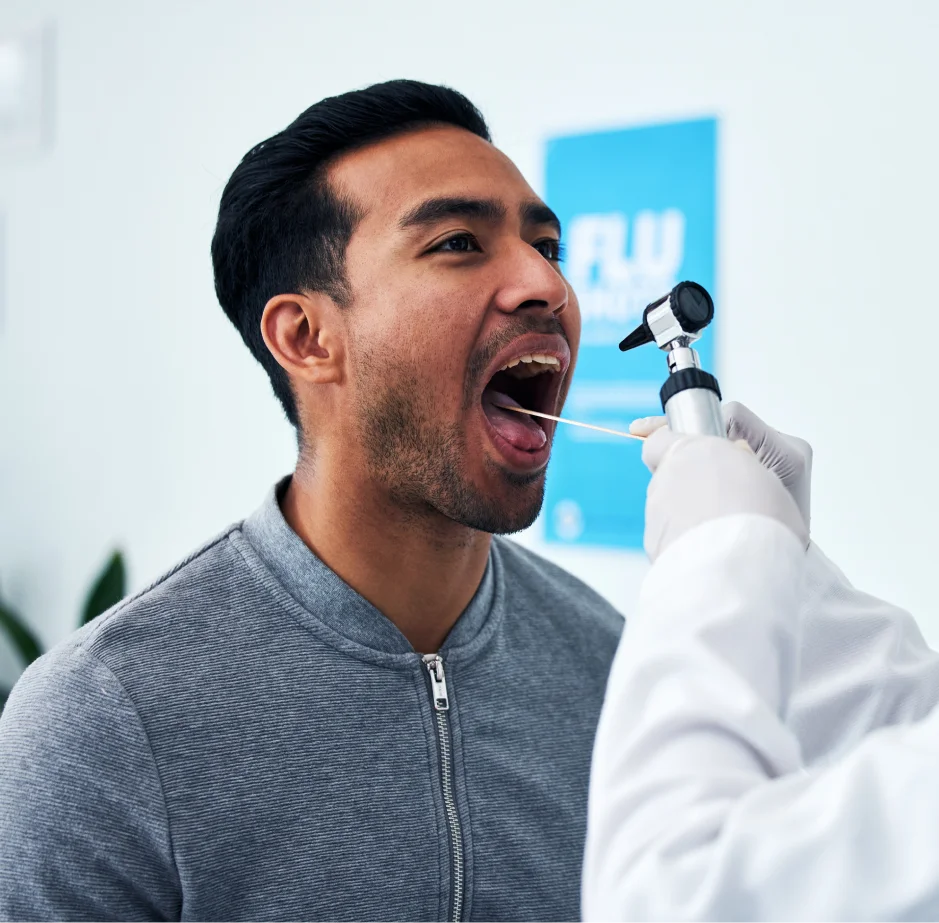
Protect Your Oral Health with Routine Screening
An oral cancer screening is a routine examination designed to look for unusual changes or abnormalities in the mouth and surrounding tissues. At LifeSmiles Dentistry, oral cancer screenings are an important part of comprehensive preventive dental care. During an examination, our team looks for signs that may require closer evaluation, including changes in the color, texture, or appearance of oral tissues.
Oral cancer can affect areas such as the lips, gums, tongue, cheeks, roof of the mouth, and throat. Some changes may not cause noticeable discomfort in their early stages, which makes regular dental examinations an important opportunity to identify concerns. If something appears unusual, our team can explain the finding and recommend appropriate follow-up.
Oral Health Changes That Needs Evaluation
Not every unusual area in the mouth is cancerous. Many oral changes can have other causes, including irritation, infection, inflammation, or injury. However, persistent or unexplained changes should receive appropriate attention.
- A sore that does not heal
- A lump or thickened area in the mouth
- A red or white patch
- Unexplained bleeding
- Persistent mouth or throat discomfort
- Difficulty chewing, swallowing, or speaking
- Persistent hoarseness
- Numbness or unusual sensation in the mouth or lip
- A change in how a dental appliance fits
Who Should Consider Oral Cancer Screening?
Oral cancer screenings can be part of routine dental care for adults, including those without known risk factors. They provide an opportunity to monitor oral tissues and identify unusual changes that may need further evaluation. Persistent sores, unexplained bleeding, lumps, red or white patches, ongoing discomfort, or difficulty swallowing should be evaluated. Screening does not diagnose cancer, and suspicious findings may require additional testing or referral to an appropriate healthcare professional.
What Happens During an Oral Cancer Screening?
An oral cancer screening can typically be incorporated into a regular dental examination. The goal is to examine the mouth carefully and identify areas that look or feel different from healthy tissue.
Review Your Oral Health
The appointment may begin with a discussion of your oral health history and any changes or concerns you have noticed. Sharing persistent symptoms or unusual changes can help guide the examination.
Examine the Mouth and Surrounding Tissues
The dental team visually examines areas such as the lips, gums, cheeks, tongue, roof of the mouth, and other accessible tissues for unusual changes in appearance.
Check for Abnormal Areas
The tissues may also be gently examined by touch to identify areas of swelling, lumps, thickening, tenderness, or other changes that may not be obvious from a visual examination alone.
Discuss Any Findings
If an area appears unusual, our team will explain what was observed and discuss whether additional evaluation or monitoring is appropriate. A screening alone cannot determine whether an abnormal area is cancerous.
Follow Up When Necessary
When further evaluation is recommended, patients may be referred to an appropriate specialist or healthcare provider for additional testing. Following up promptly can help ensure that concerning changes receive appropriate attention.
How Often Should You Have an Oral Cancer Screening?
Oral cancer screening is commonly incorporated into routine dental examinations. The appropriate frequency may depend on individual oral health needs, dental history, age, risk factors, and any changes identified during previous examinations.
Keeping up with regular dental visits gives the LifeSmiles Dentistry team an opportunity to monitor oral tissues over time rather than evaluating changes only when symptoms become noticeable. If you have specific concerns or risk factors associated with oral cancer, discuss them during your appointment so the appropriate screening and follow-up can be considered.
Take a Proactive Approach to Oral Health
Regular oral cancer screenings provide an opportunity to identify unusual changes and determine whether they require further attention. LifeSmiles Dentistry in Cadillac, MI is available to provide thorough oral examinations and answer questions about changes you may have noticed. Call us at 231-775-8281 to schedule an appointment to include an oral cancer screening as part of your ongoing dental care.
Frequently Asked Questions
About Oral Cancer Screenings
Most patients benefit from a screening at every routine checkup, typically every six months, as part of a comprehensive dental exam.
No. The screening is a quick, painless visual and physical exam that does not involve needles, drilling or any discomfort.
Early signs can include sores that do not heal, red or white patches, persistent numbness, difficulty swallowing or unexplained lumps in the mouth, neck or jaw.
Tobacco use, heavy alcohol consumption, prolonged sun exposure to the lips and a family history of cancer can all increase risk, though anyone can be affected.
A screening typically takes just a few minutes and is performed as part of a routine dental exam.
If an area of concern is identified, our team will discuss findings and may recommend further evaluation or a referral for additional testing.
Yes. Early detection significantly improves treatment outcomes, which is why routine screenings are such an important preventive measure.
Yes. Screenings are typically performed as part of routine visits at LifeSmiles Dentistry, requiring no separate appointment.