
A Personalized Approach to Tooth Replacement
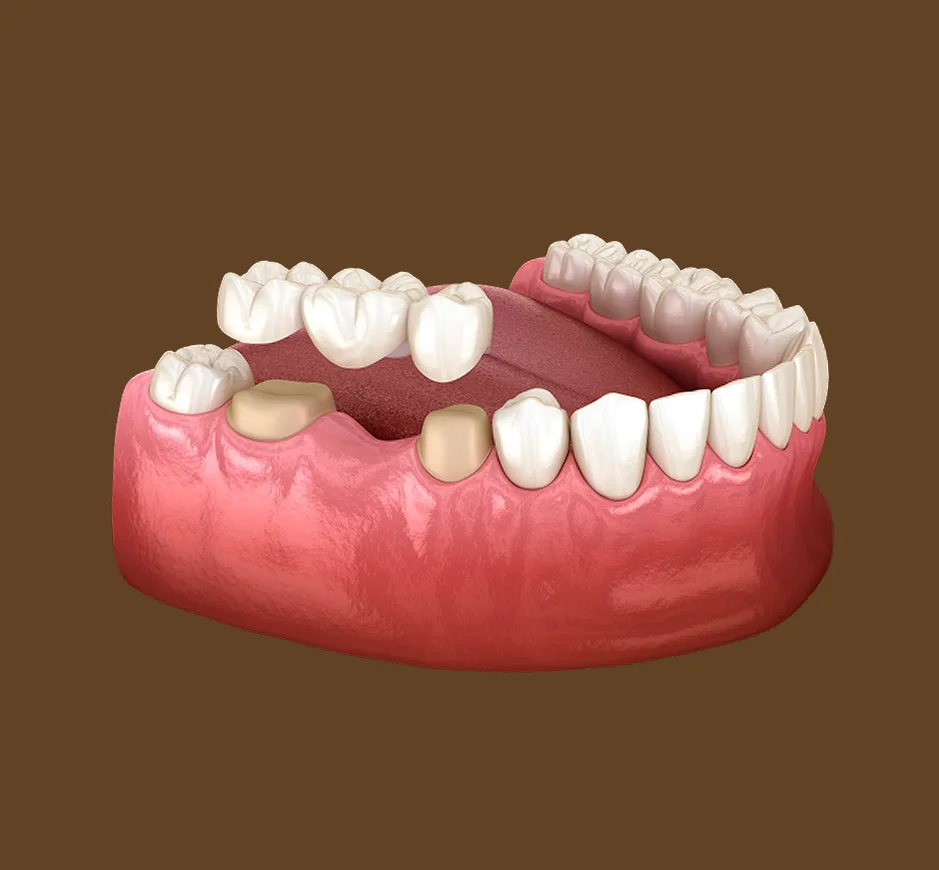
A missing tooth can change more than the appearance of a smile. Gaps may affect chewing, speech, and the way surrounding teeth come together. A dental bridge provides a fixed tooth replacement option that fills the space with an artificial tooth supported by the surrounding dental structures.
LifeSmiles Dentistry provides dental bridges in Cadillac, MI for patients looking to restore areas affected by tooth loss. Each bridge is designed around the location of the missing tooth, the condition of the surrounding teeth, and the overall goals of treatment. With proper care, a well-maintained bridge can become a functional part of everyday life.
Different Situations Where Dental Bridges Can Help
Dental bridges can be used in several tooth replacement situations. The appropriate design depends on how many teeth are missing, where the gap is located, and which teeth or structures can provide support.
- A bridge can fill a gap created by one missing tooth using supporting structures on either side when appropriate.
- Certain bridge designs can replace more than one missing tooth when the surrounding oral structures provide adequate support.
- Bridges can be designed with appearance in mind, helping the replacement tooth blend with neighboring teeth in shape and color.
- Replacing missing teeth toward the back of the mouth may help restore chewing function and maintain a more complete bite.
Benefits of Dental Bridges
Dental bridges can help restore everyday oral function by providing a stable replacement for missing teeth. They may make biting and chewing more comfortable while supporting clearer speech in some cases. A bridge can also help keep adjacent teeth from shifting toward an open space, which may affect the alignment of the bite. By replacing missing tooth structure, bridges can contribute to a more complete smile and support a balanced distribution of biting forces.
How Your Dental Bridge Is Created
Creating a dental bridge involves careful planning to ensure the replacement fits comfortably and works properly with the surrounding teeth. The treatment timeline can vary depending on the type of bridge and the condition of the teeth involved.
Examine the Missing-Tooth Area
The teeth, gums, bite, and supporting structures around the gap are evaluated. This helps determine whether a bridge can be supported appropriately.
Plan the Shape and Placement
The replacement tooth and supporting portions of the bridge are planned to fit the available space while coordinating with the surrounding teeth.
Prepare the Supporting Teeth
When the selected bridge design requires neighboring teeth for support, those teeth are prepared to accommodate the restoration.
Create the Custom Bridge
Detailed measurements and impressions or digital information are used to create a bridge designed for the specific treatment area.
Check the Fit and Appearance
The completed bridge is evaluated for fit, bite, comfort, and appearance before it is secured in place.
Complete the Restoration
Once the bridge is properly positioned, it is secured so the replacement tooth can function as part of the smile.
How to Care for a Dental Bridge
A dental bridge requires consistent oral hygiene to help keep the restoration and surrounding teeth in good condition. Brushing twice daily and cleaning carefully around the bridge can help remove plaque and food debris. Special attention should be given to the space beneath the replacement tooth, where a regular toothbrush may not reach effectively. A floss threader, interdental cleaner, or water flosser can help clean these areas and support healthier gums around the restoration.
Routine dental visits are also important for monitoring the bridge, supporting teeth, and surrounding gums. During these appointments, any changes in the restoration or oral health can be identified early. Avoiding habits that place excessive pressure on the bridge, such as chewing very hard objects, can also help protect its condition. Following personalized care recommendations can support the function and longevity of the restoration.
Restore Your Smile with Personalized Bridge Care
A missing tooth can affect everyday comfort, function, and confidence, but a dental bridge can provide a fixed way to restore the space. LifeSmiles Dentistry in Cadillac, MI, is here to help you explore your tooth replacement options and plan care around your needs. Contact us at 231-775-8281 to learn more about dental bridges.
Frequently Asked Questions
About Dental Bridges
With proper care, a dental bridge typically lasts between 10 and 15 years, though many last even longer with consistent maintenance.
The process involves local anesthetic during preparation of the supporting teeth, so most patients experience little to no discomfort during treatment.
A floss threader, water flosser or specially designed bridge floss can help clean beneath the replacement tooth, where a regular floss strand cannot reach.
A bridge relies on the surrounding teeth for support, while an implant is placed directly into the jawbone and does not require altering neighboring teeth.
Yes. A bridge can replace one or several consecutive missing teeth, provided the surrounding teeth are healthy enough to support the restoration.
Yes. Bridges are custom shade matched and shaped to blend seamlessly with surrounding teeth for a natural looking result.
Most patients complete the process in two visits, with a temporary bridge worn while the permanent restoration is being fabricated.
Leaving a gap can allow surrounding teeth to shift, affect your bite alignment and make chewing or speaking more difficult over time.