
Protect Your Teeth from Cavity with Dental Sealants
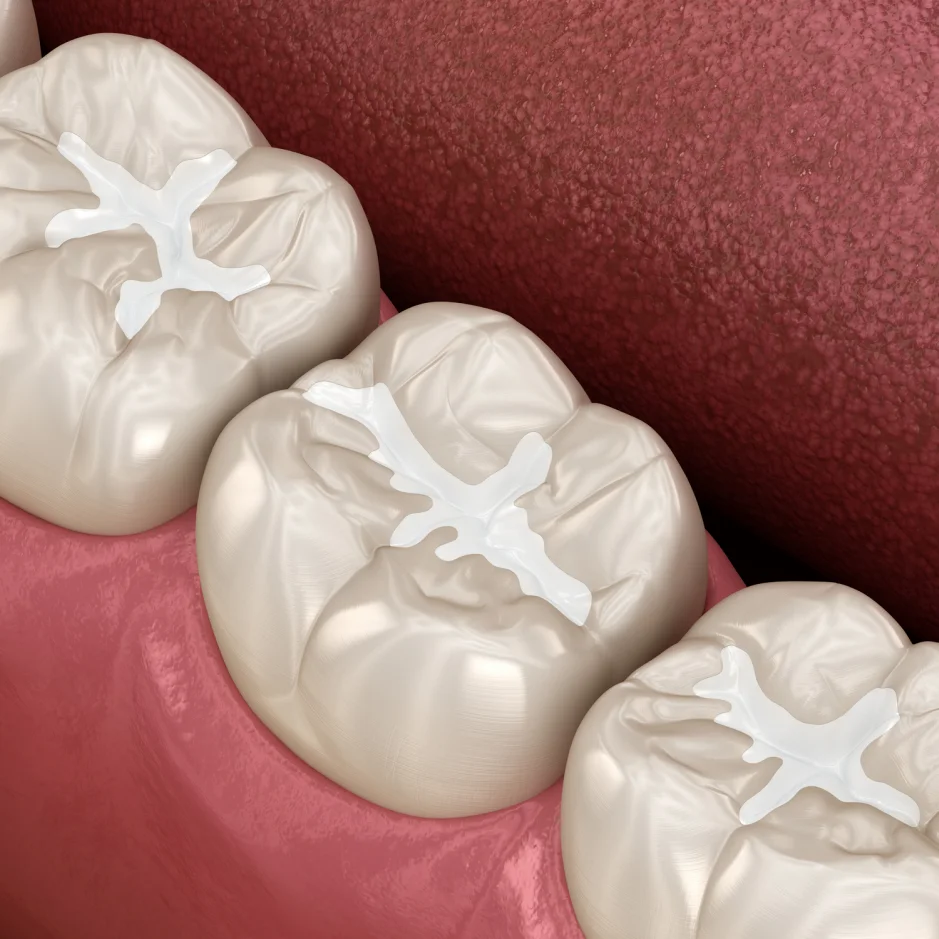
Dental sealants provide a protective coating over the deep grooves and pits found on the chewing surfaces of back teeth. These areas can be difficult to clean thoroughly with a toothbrush because food particles and bacteria may collect in the natural grooves. Applying a dental sealant creates a smooth barrier that helps keep these vulnerable areas easier to clean and less exposed to cavity-causing bacteria.
At LifeSmiles Dentistry, we use dental sealants as part of preventive dental care to help protect teeth from decay. Sealants can be especially useful for children and teenagers as their permanent molars develop, but adults with susceptible teeth may also benefit. Our team can examine the teeth and determine whether dental sealants are appropriate based on individual oral health needs.
How Dental Sealants Help Protect Your Teeth
Dental sealants provide an added layer of protection for areas of the teeth that can be difficult to clean. LifeSmiles Dentistry may recommend sealants as part of a personalized approach to preventing cavities and maintaining long-term oral health.
- Cover deep pits and grooves where food particles and plaque can collect.
- Help protect chewing surfaces from bacteria and acids that contribute to tooth decay.
- Create smoother tooth surfaces that may be easier to keep clean with regular brushing.
- Provide a quick and comfortable preventive treatment without removing healthy tooth structure.
- Can remain effective for several years when properly maintained and monitored during routine dental exams.
Patients Who May Benefit from Sealants
Dental sealants may be recommended for children, teens, and adults who are more prone to cavities, particularly on the chewing surfaces of back teeth. Patients with deep grooves, pits, or other areas that are difficult to clean thoroughly with regular brushing may also benefit from this preventive treatment. Sealants can provide an added layer of protection in these cavity-prone areas as part of a comprehensive approach to preventive dental care.
LifeSmiles Dentistry can evaluate your teeth and determine whether sealants are appropriate based on your oral health, cavity risk, and individual preventive care needs. During an evaluation, the team can consider the condition and shape of your teeth and discuss whether sealants may complement your daily brushing and flossing routine. Regular dental visits can also help monitor sealed teeth over time.
How Dental Sealants Are Applied
The dental sealant procedure at LifeSmiles Dentistry is designed to be straightforward, comfortable, and minimally invasive. The tooth is carefully prepared before the sealant is applied, and no healthy tooth structure needs to be removed during the process.
Examine the Tooth
The tooth is evaluated to make sure it is suitable for a sealant. If decay is present, the appropriate treatment will be discussed before placing preventive material.
Clean the Surface
The tooth is thoroughly cleaned to remove plaque, food particles, and other debris from the chewing surface.
Prepare the Tooth
The chewing surface is prepared so the sealant can bond properly to the enamel.
Apply the Sealant
A thin layer of dental sealant is carefully placed into the pits and grooves of the tooth, flowing into the areas that can be difficult to reach with normal brushing.
Harden the Material
A curing light is used to harden the sealant and create a protective coating over the tooth.
Check the Finished Sealant
The team checks the sealed tooth to ensure the material is properly positioned and that the bite feels comfortable.
Tips to Care for Sealed Teeth
Once dental sealants are placed, caring for sealed teeth is generally simple and does not require major changes to your daily routine. Continue brushing twice a day with fluoride toothpaste and cleaning between your teeth regularly to help keep the surrounding areas healthy. Although sealants create a protective barrier over the chewing surfaces, they do not replace good oral hygiene or routine dental care. Limiting frequent sugary snacks and drinks can also help reduce the risk of decay in areas that are not covered by sealants.
During routine dental cleanings and exams, our team can check your sealants for signs of wear, chipping, or areas where the coating may have become thin. If needed, a sealant can be repaired or reapplied to maintain its protective function. With consistent home care and regular dental visits, sealants can remain an effective part of a preventive oral health routine for years.
Protect Your Teeth from Future Cavities
The deep grooves and pits in back teeth can make them harder to keep clean and more vulnerable to cavities. LifeSmiles Dentistry in Cadillac, MI offers dental sealants to help protect these areas by creating a smooth barrier over the chewing surfaces. Reach out to our team at 231-775-8281 to schedule a consultation with us.
Frequently Asked Questions
About Dental Sealants
Sealants can last several years with proper oral hygiene, though they are checked regularly during cleanings and reapplied if they begin to wear down.
No. While sealants are most commonly applied to children’s permanent molars, adults without decay or fillings in their back teeth can also benefit from this treatment.
No. Applying a sealant is a painless process that does not require drilling, anesthesia or any recovery time.
Sealants are typically applied in just a few minutes per tooth, making the entire appointment quick and convenient.
Sealants can wear down naturally over time, though they rarely fall off suddenly. Routine checkups allow our team to monitor their condition.
No. Sealants provide extra protection for hard to reach areas, but they work best alongside a consistent daily oral hygiene routine.
Sealants are most often applied to molars and premolars, since these teeth have deep grooves that are more prone to trapping bacteria and food.
Yes. Dental sealants use a safe, well established resin material that has been used in preventive dentistry for decades.